Back to Nature: Visiting Derbyshire’s Peak District National Park
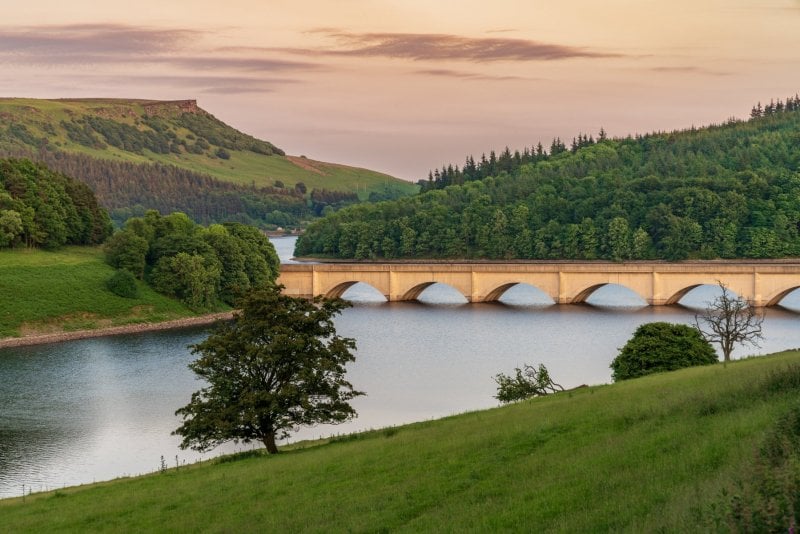
For anyone actually looking to escape the rat race for a few days of fresh air and revitalising physical activity, the Peak District National Park in Derbyshire is the ideal choice. Conveniently located in central England, this sprawling, 1,400-square-kilometre park is an upland area sitting at the southern end of the scenic Pennine Hills.
This frequently updated blog site is intended for anyone mulling over a visit to this spectacular haven of natural beauty. Here they will find all they need to know about how to get there, when to go, and what to do once they arrive.
The Pretty Town of Matlock
28 May 2022
Matlock is situated in the Peak District and attracts a considerable number of visitors every year. A historic bridge spans the River Derwent and is a popular place for a scenic stroll. Also, look out for special events in the Victorian bandstand in Hall Leys Park.
Derbyshire’s Market Town of Bakewell
19 Apr 2022
Famous for its pudding and spectacular scenery, Bakewell is a historic market town in the Dales district of Derbyshire. It is situated on the picturesque River Wye, some 13 miles southwest of the city of Sheffield. As of 2020, the total population of Bakewell stood at slightly less than 4,000.
Castleton; the Heart of Derbyshire’s Peak District
9 Mar 2022
Located at the western terminus of Hope Valley, Castleton is a quaint village, home to less than 700 inhabitants, in Derbyshire’s High Peak district. Ideal for weekend getaways, the village is nestled between two majestic mountains: White Peak to the south and Dark Peak to the north.